People act on what AI tells them. I help them understand it, know when to question it, and make informed decisions.
I'm a mixed-methods UX researcher and PhD candidate. Through interviews, co-design, usability testing, and quantitative analysis, I turn people's needs into evidence-based design decisions across AI, public transit, and digital health.
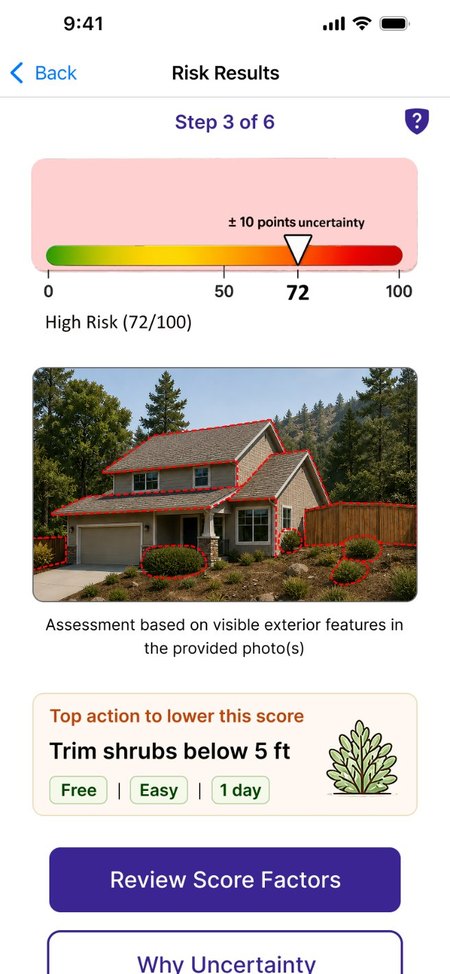
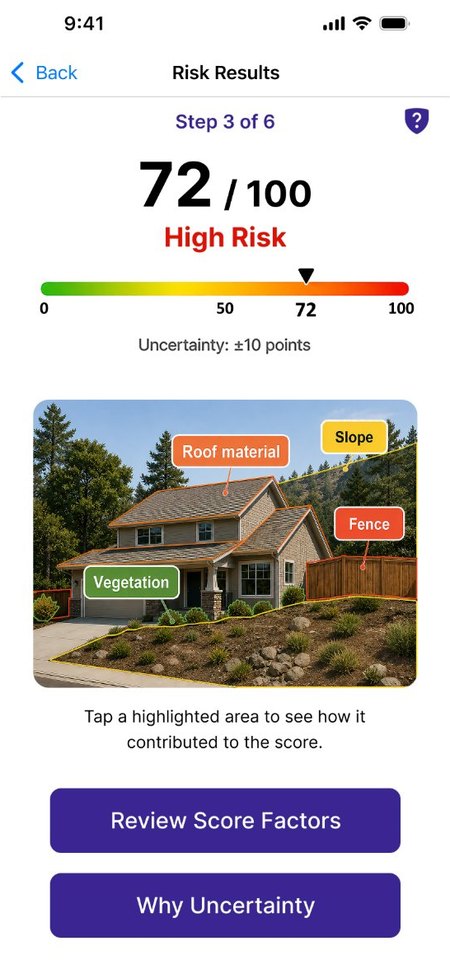
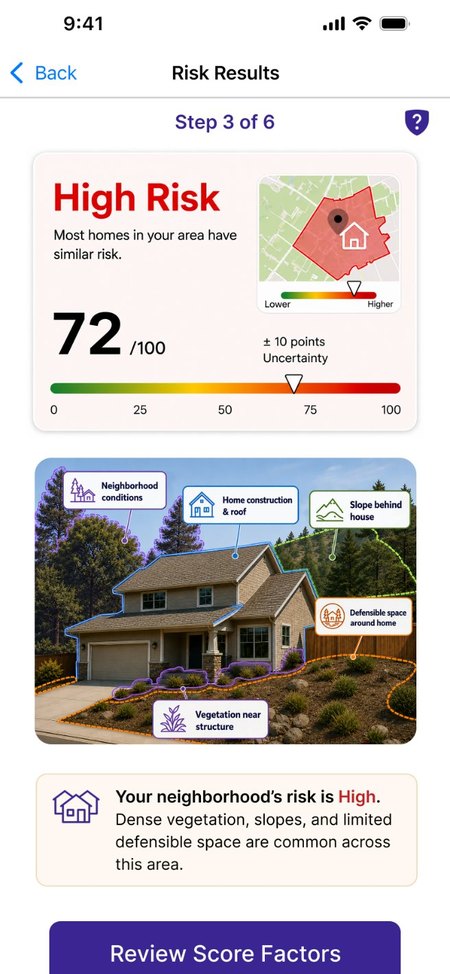
One risk score · three explanation designs · FireSight
PALEI: a framework for designing AI explanations with the people who use them
My main contribution is PALEI, a six-stage framework that involves residents before the AI model exists, builds AI literacy into every stage, and traces each design decision back to community evidence. I examined it in two urban-resilience cases.
FireSight
Primary application: town hall, survey, AI Value Map, personas, 24 co-design sessions, usability testing next.
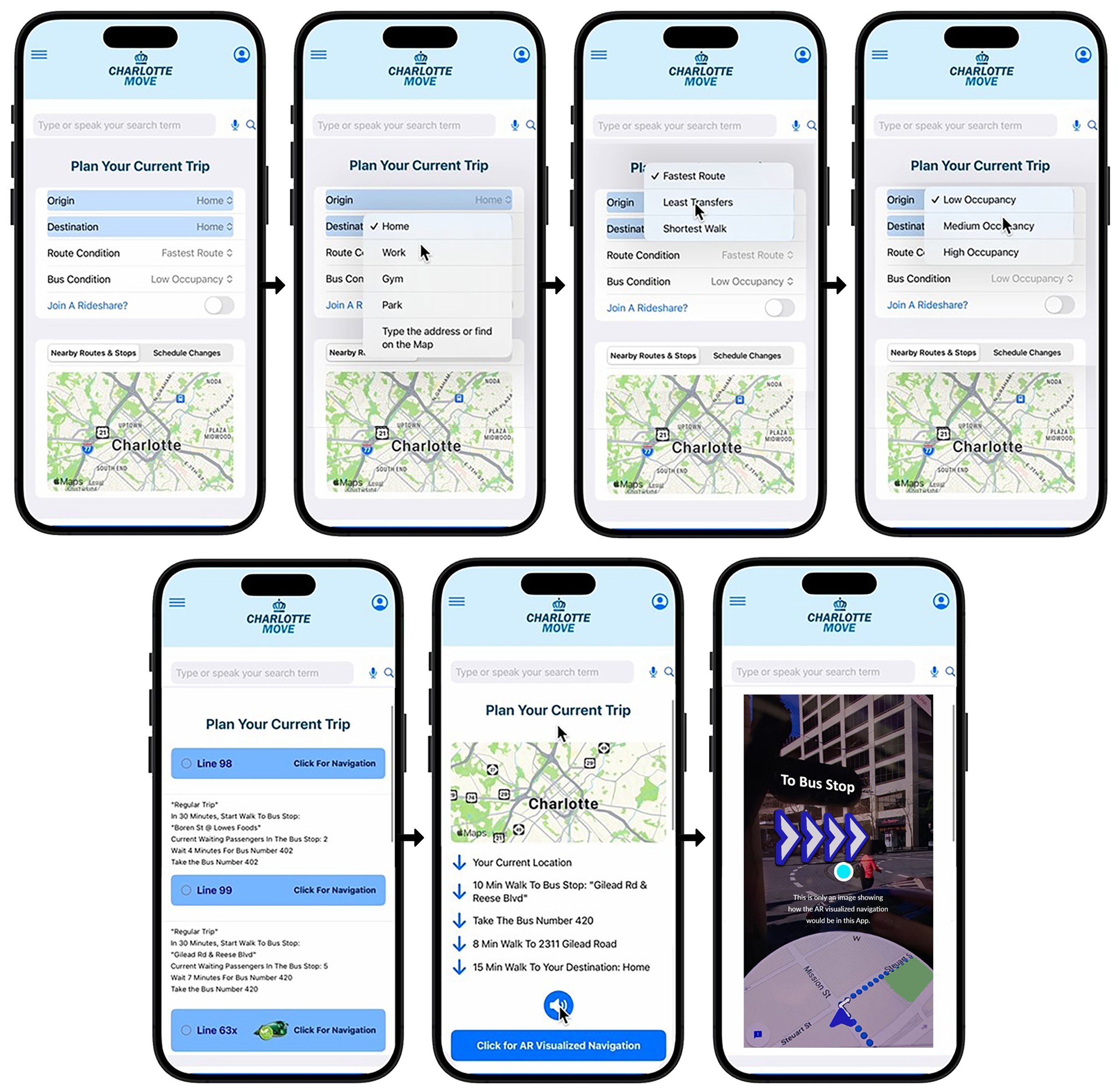
Smart on-demand transit
Established the AI integration problem: 160-rider survey, equity modeling, prototype testing.
Research that changed what got built
Every case shows the question, my role, why I chose each method, the evidence behind each finding, and the decision it changed.
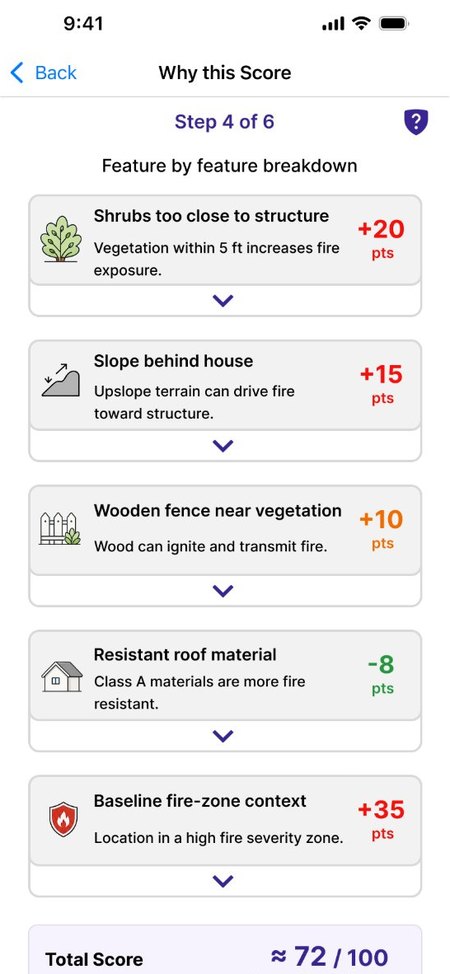
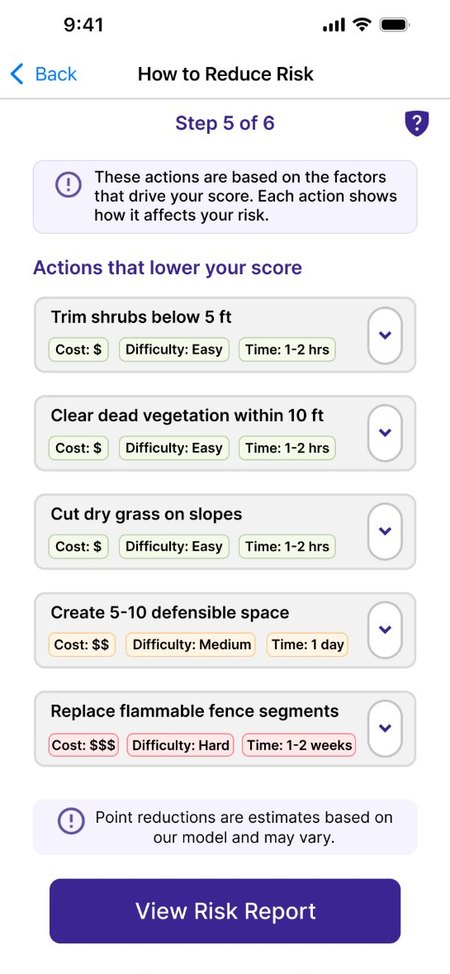
FireSight: one wildfire risk score, explained three ways
A town hall and survey of LA County residents became an AI Value Map, four explanation personas, and three competing explanation designs, tested in 24 one-on-one sessions.
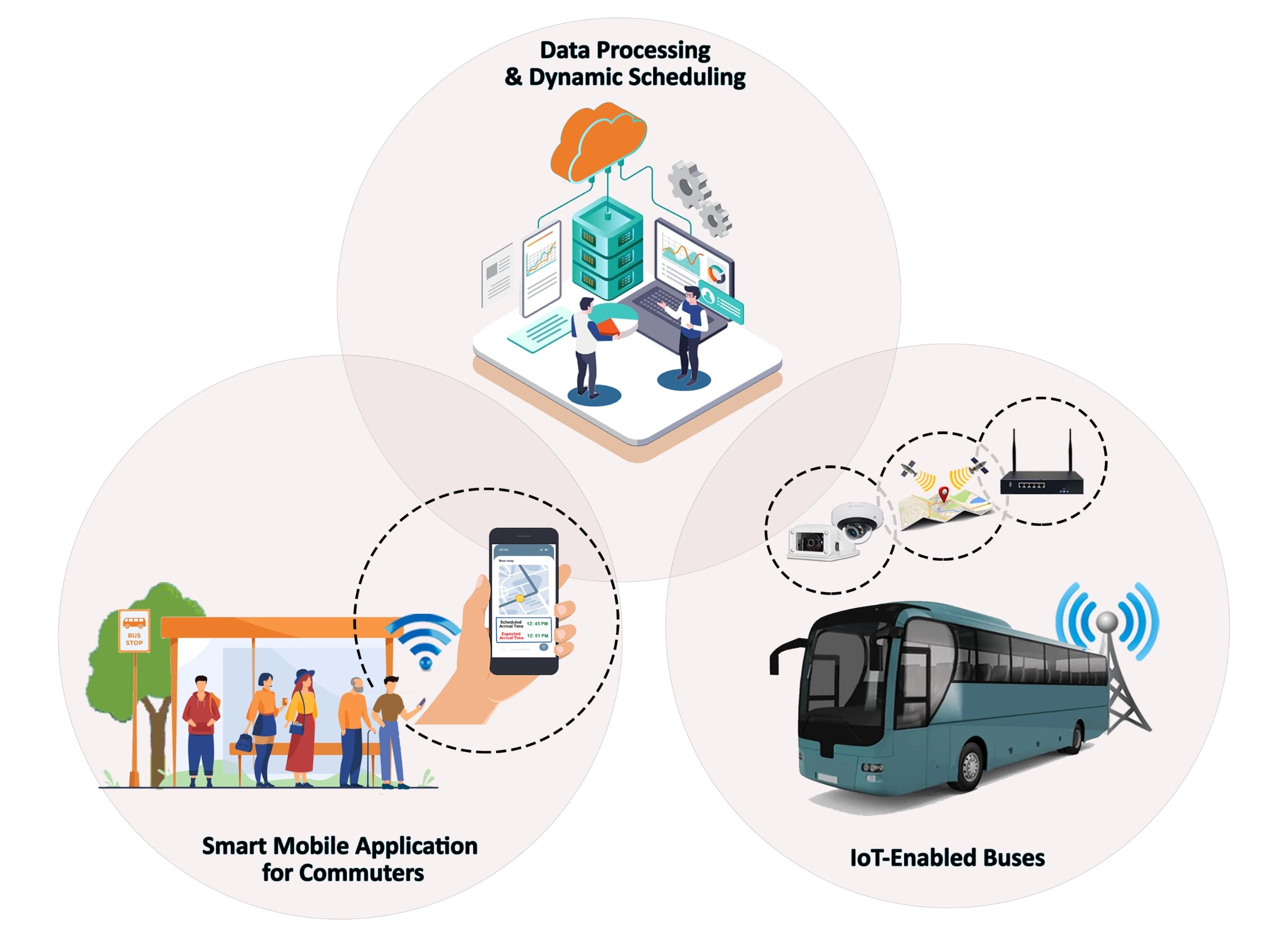
Smart transit: from 160 rider surveys to an app riders asked for
I modeled who Charlotte's buses fail, then built a prototype around the top adoption driver: shorter, predictable waits.
Who adopts, and who pays? 24 interviews that changed the business model
I tested 15 hypotheses with fire agencies, wildfire programs, insurance professionals, and residents. The evidence points to programs, not homeowners, as the most likely buyer.
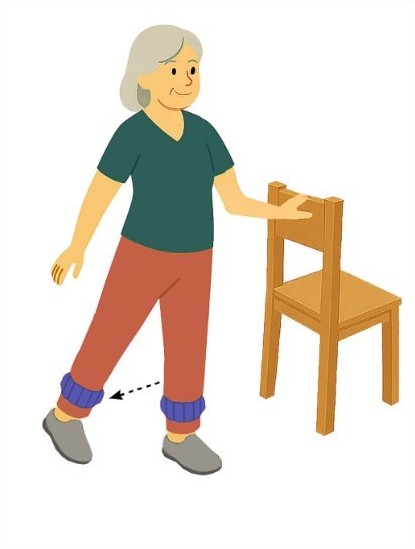

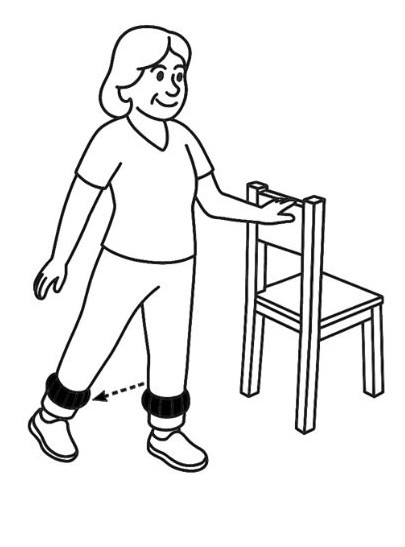
AVA Mobility: designing a fall-risk app with older adults
70+ interviews shaped personas, design guidelines, and the accessible illustrations and videos that shipped in the app.
The full research cycle, end to end
Qualitative depth
Interviews, co-design, focus groups, town halls, and usability tests, with synthesis in Dovetail.
Quantitative rigor
Survey design and analysis in R, SPSS, and Python: regression, correlation with multiple-comparison control, and nonparametric tests.
Research operations
IRB protocols, consent, recruiting across Southern California, incentives, and de-identified data handling.
AI-fluent, responsibly
Prototyping in Google AI Studio and Figma Make, visuals with OpenArt, and AI help organizing de-identified data, always with human review.